The essentials in 30 seconds
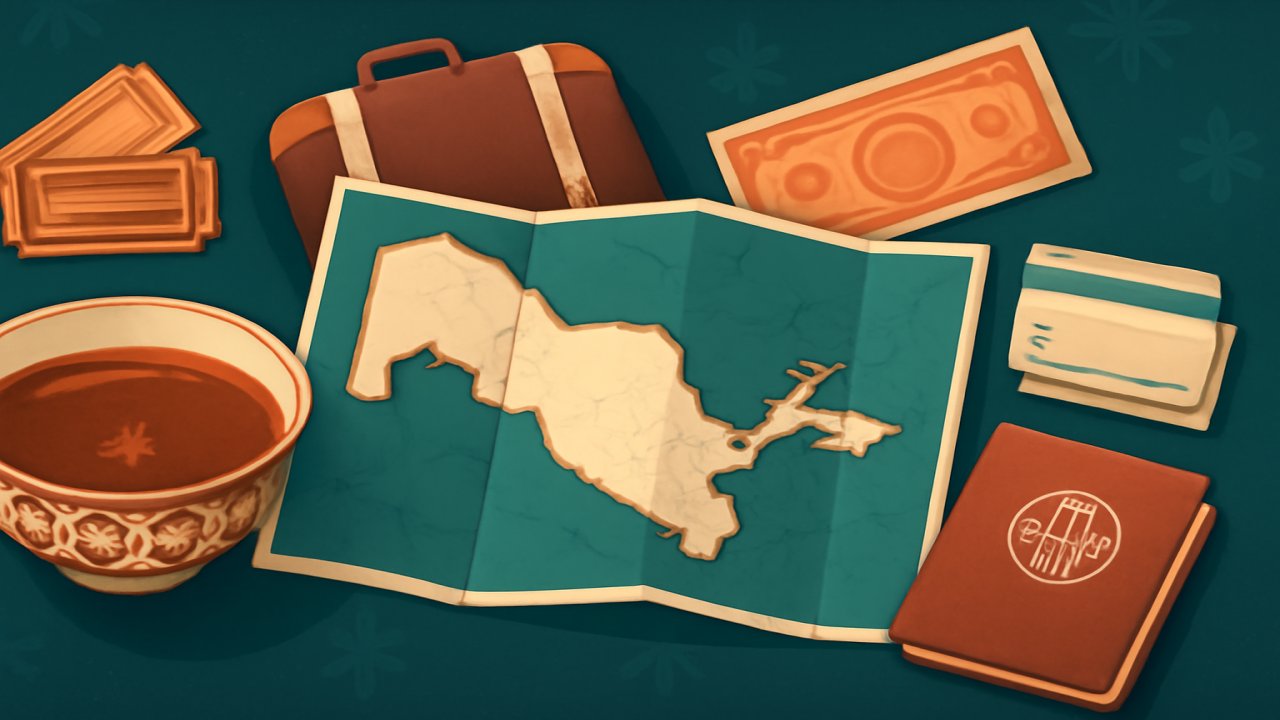
The currency is the Uzbek som (UZS), floating at roughly 12,000–13,000 to the US dollar. Visa and Mastercard work almost everywhere in Tashkent — supermarkets, malls, chain cafes. But you still need cash: bazaars, marshrutkas, small chaikhanas and street taxis are cash-only.
Exchanging money: banks only
Change money at any bank or hotel exchange desk — rates are fair and nearly identical everywhere; the old black market no longer exists. A passport is usually not required below the equivalent of $2,000. Bring new, unmarked dollar bills — worn notes may be refused. Euros and rubles are accepted too, but dollars get the best treatment.
Cards and ATMs
- ATMs are everywhere in Tashkent, dispensing som and sometimes dollars. Check your home bank's fees.
- Apple Pay / Google Pay work on modern terminals — most Tashkent cafes and shops have them.
- Local Uzcard/Humo cards are unnecessary unless you stay for months.
- Samarkand and Bukhara have fewer terminals — carry a cash reserve there.
How much cash per day
A budget day in Tashkent: food 100,000–150,000 UZS, transport 10,000–30,000, entry tickets 30,000–60,000. Carrying 200,000–300,000 UZS in cash per day is comfortable; cards cover the rest. A hostel bed — from 60,000 UZS — can be paid by card or on arrival.
Tipping and haggling
Tipping is optional: restaurants often add a 10–15% service charge (check the bill). Rounding up a taxi fare or leaving 5–10% for a good waiter is a kind gesture, nothing more. Haggle at bazaars, never in shops with price tags.
Common mistakes
- Changing money "on the street" — pointless: bank rates are the same, the risk is real.
- Bringing old, worn dollar bills.
- Relying on cards alone outside the capital.
- Having no small notes for marshrutkas, toilets and bazaars.